



You know that feeling when you wake up, grab your phone, and suddenly see a bright red alert saying winter storm warning? Your heart drops a little, right? Because deep down, whether we admit it or not, a winter storm warning carries a mix of curiosity, fear, and that strange excitement—almost like nature is telling us, “Hey, slow down. Things are about to get interesting.”
Well, if you’ve ever felt unprepared, overwhelmed, or just plain confused during a winter storm warning, trust me—you’re not alone. And in this guide, we’re going to break it all down like a friendly neighbor who’s been through it a few too many times.
Grab a warm drink and settle in, because this might just become your go-to survival guide for the next winter blast.
What a Winter Storm Warning Really Means (And Why It Matters)
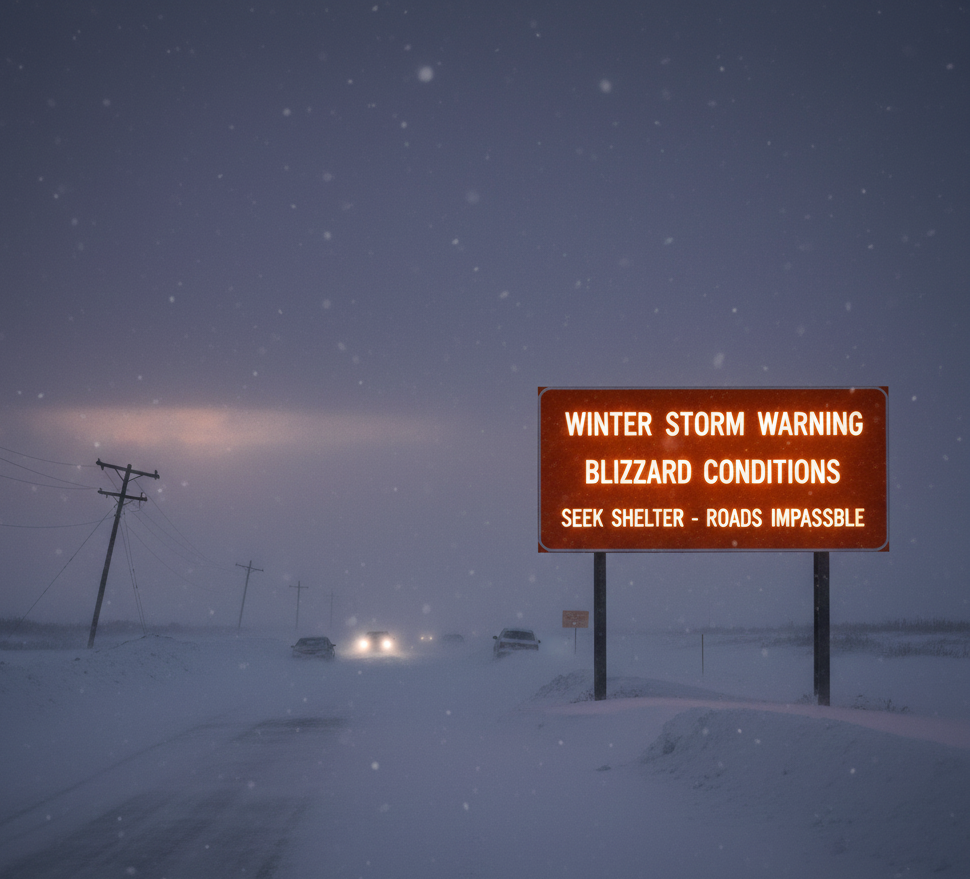
A winter storm warning isn’t just a fancy phrase meteorologists toss around. It’s an official alert issued when severe winter conditions—think heavy snow, freezing rain, intense winds, or dangerous ice—are expected within hours.
To be honest, when people ignore a winter storm warning, that’s usually when the trouble begins.
Winter storms can:
- Shut down roads
- Knock out power
- Freeze water pipes
- Trigger dangerous wind chills
- Reduce visibility to near zero
So when that winter storm warning pops up, it’s basically the universe saying, “Hey, take this seriously. You’ll thank yourself later.”
Understanding the Different Types of Winter Alerts
You know what’s interesting? A lot of people don’t realize there’s a huge difference between a winter storm watch, a winter weather advisory, and a winter storm warning. And that confusion can cost precious prep time.
Winter Storm Watch
Think of this as nature whispering: “Something big might happen.”
Winter Weather Advisory
This means conditions will be inconvenient—slippery roads, cold temps—but not life-threatening.
Winter Storm Warning
This is the big one. This is your “act now” alert.
When a winter storm warning shows up, the storm is imminent or already happening.
Why Winter Storm Warnings Are Becoming More Common
So, here’s the honest truth: extreme weather patterns are shifting. And yes, whether we like it or not, winter storm warning alerts are happening more frequently across regions that never used to get them.
Climate unpredictability + expanding cold zones = more winter chaos.
Some places that rarely saw snow now deal with:
- Ice storms
- Blizzard-like conditions
- Polar vortex dips
- Surprise heavy snowfall
If you’re seeing a winter storm warning in your area more often, trust me, it’s not your imagination.
How to Prepare for a Winter Storm Warning Like a Pro
Alright, let’s talk real strategy. When a winter storm warning hits, you don’t want to be the person fighting over the last loaf of bread at the grocery store.
Preparation doesn’t have to be complicated—just smart.
1. Stock Up on The Essentials
And no, I don’t just mean snacks (although snacks are very important).
Must-Have Items During a Winter Storm Warning
- Bottled water (at least 3 days’ worth)
- Non-perishable food
- Flashlights & extra batteries
- Manual can opener
- First-aid kit
- Prescription medications
- Extra blankets
- Portable phone charger
- Rock salt or sand
- A backup heat source (safe for indoor use)
You’re basically building a mini survival kit, but for your home.
2. Prepare Your Home for Heavy Snow and Ice
If a winter storm warning is issued, your home becomes your fortress.
Home Preparation Checklist
- Insulate doors and windows
- Let faucets drip to avoid frozen pipes
- Know how to shut off your water supply
- Bring pets indoors
- Set your thermostat to a stable temperature
- Charge all electronics fully
- Fill your gas tank (in case gas stations lose power)
The trick is to think ahead:
What will I wish I had if the power goes out?
3. Prepare Your Car for a Winter Storm Warning
Even if you’re planning to stay home, your car needs attention.
Why? Because after the storm, you’ll need it.
Car Winter Kit
- Ice scraper
- Jumper cables
- Blankets
- Road flares
- Extra gloves
- Portable shovel
- Emergency snacks
- Tire chains
- Cat litter (helps with traction!)
Trust me, nothing’s worse than trying to get out the morning after a winter storm warning, only to find your car frozen under a small glacier.
4. Know the Symptoms of Frostbite and Hypothermia
To be honest, most people underestimate the danger of cold exposure.
During a storm warning, emergency services may be delayed—so recognizing symptoms early can literally save lives.
Frostbite Signs
- Numbness
- Waxy or pale skin
- Hard or frozen-feeling limbs
Hypothermia Signs
- Uncontrollable shivering
- Confusion
- Slurred speech
- Exhaustion
In a real emergency, warmth is the priority—not pride.
How to Stay Safe During a Winter Storm Warning
When the storm warning is in effect and the snow starts piling up, here’s what you need to do.
1. Stay Indoors Unless Absolutely Necessary
Visibility can drop from clear to zero in seconds.
2. Avoid Heating Risks
Never use:
- Gas ovens
- Outdoor grills
- Generators indoors
Carbon monoxide is the silent danger people forget during a winter warning.
3. Stay Updated
Power outages happen, but battery-powered radios don’t lie.
Keep track of:
- Road closures
- Temperature drops
- Extended alerts
- Emergency instructions
4. Check on Neighbors
Especially:
- Elderly individuals
- People with disabilities
- Families with infants
Kindness matters more than ever during a winter storm warning.
Life After the Winter Storm Warning Ends
So, the storm warning expires—now what?
Well, don’t just rush outside celebrating like it’s the end credits of a movie.
Here’s what you should do first:
- Check for ice before walking
- Shovel snow carefully (it’s heavy!)
- Clear car exhaust pipes before starting your engine
- Watch for falling icicles
- Avoid driving until roads are officially cleared
And if you have kids, trust me, they’ll want to dive into the snow instantly—but check for hidden ice underneath. Snow can be deceptive.
Emotional Side of a Winter Storm Warning: Why It Affects Us More Than We Think
This part often gets overlooked, but we’ve all been there.
A storm warning doesn’t just disrupt plans—it disrupts emotional comfort.
It can trigger:
- Anxiety
- Stress
- Loneliness
- Cabin fever
- Uncertainty
But here’s the heartwarming part: winter storms often bring people closer.
You’ll see neighbors helping dig cars out, families cooking together, and everyone slowing down for once.
Sometimes nature forces us to pause—and maybe that’s not always a bad thing.
Common Mistakes People Make During a Winter Storm Warning
And trust me, these mistakes happen every single year.
Mistake #1: Driving when you shouldn’t
“I’ll be fine” are famous last words.
Mistake #2: Not charging devices before the power goes out
A dead phone during a winter storm warning = unnecessary anxiety.
Mistake #3: Skipping over emergency alerts
Those alerts exist for a reason.
Mistake #4: Underestimating wind chill
Wind chill can make the cold deadly.
Mistake #5: Improper generator use
Never indoors. Ever.
Avoiding these mistakes can be the difference between “manageable storm” and “disaster.”
Final Thoughts: You’re Stronger Than the Storm
At the end of the day, a winter storm warning is meant to protect you—not scare you.
Yes, winter storms can be intense and unpredictable. But with the right mindset and preparation, you’ll handle them like a seasoned pro.
So next time you see that bold red winter storm warning, take a breath. You’ve got this.
Stay warm, stay safe, and remember—storms pass, but resilience stays.
FAQs About Winter Storm Warnings
1. What triggers a winter storm warning?
A winter storm warning is issued when severe winter conditions like heavy snow, strong winds, or ice are expected within hours.
2. How long does a winter storm warning last?
It depends on the storm. It can last anywhere from a few hours to over a day, depending on how fast the system moves.
3. Should I drive during a winter storm warning?
If you can avoid it, absolutely don’t. Roads become slippery, visibility drops, and emergency response times increase.
4. What’s the best way to prepare for a winter storm warning?
Stock up on essentials, prepare your home and car, charge devices, and stay updated with official weather alerts.
Read More At : GOJO SATORU
