



Introduction — Why Talking About a Plane Crash Matters More Than We Admit
If you’ve ever felt your stomach drop during turbulence or caught yourself gripping the armrest a bit too tightly, trust me — you’re not alone Plane Crash. Most of us have wondered, even just once, what really happens during a plane crash and why these events capture so much of our attention.
And you know what’s interesting? Even though air travel is statistically the safest way to get around, the very idea of a plane crash tends to stick in our minds far more than car accidents or other daily risks.
Maybe it’s the dramatic headlines. Maybe it’s the feeling of being thousands of feet in the air. Or maybe it’s just human nature to imagine the worst when we’re not in control.
But here’s the thing: understanding the reality behind a plane crash — what causes it, why it’s so rare, and how safety systems work — can actually make us feel a whole lot calmer. So let’s walk through it together, in a way that feels more like chatting with a friend than reading a cold report.
What Exactly Is a Plane Crash?
A plane crash is any event where an aircraft experiences an unintended collision, severe damage, or impact with the ground or another object—resulting in operational failure.
But that’s the formal definition.
In everyday conversation, when people talk about a plane crash, they usually picture a catastrophic event. Yet many “crashes” include minor runway overshoots, emergency landings that end safely, and mechanical incidents where everyone walks away unharmed.
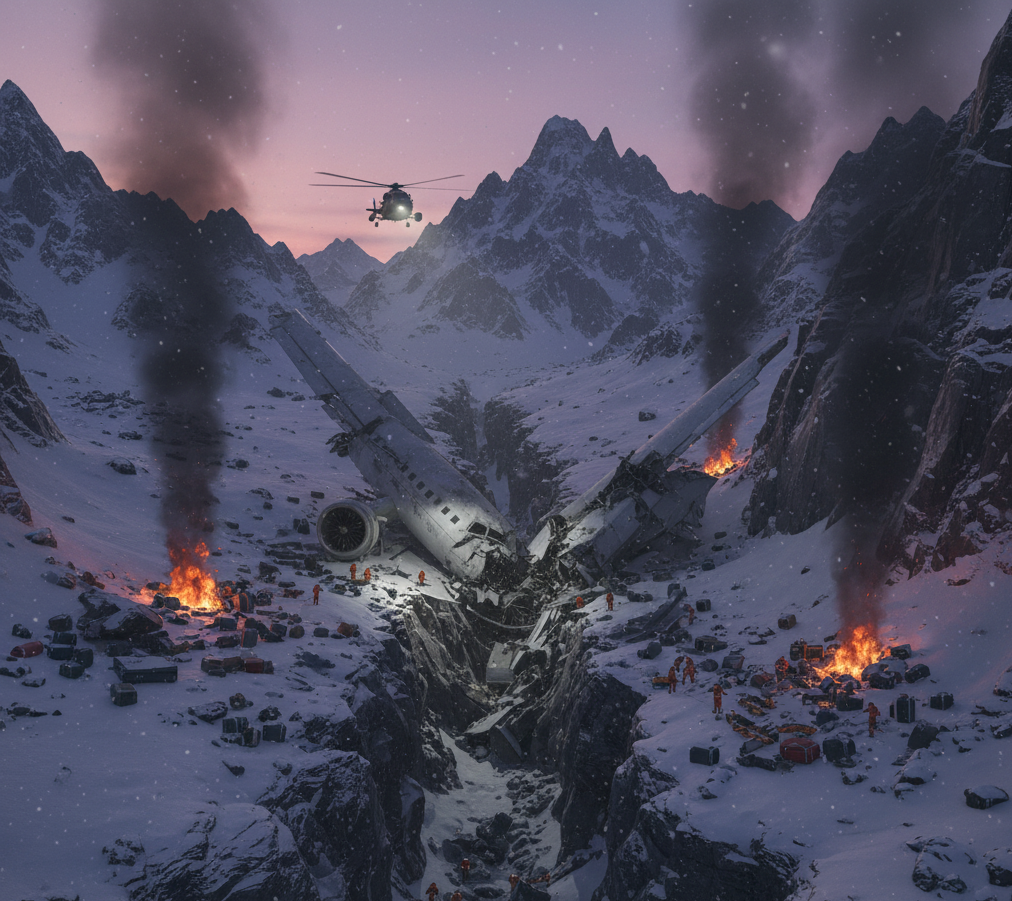
Why the Term “Plane Crash” Feels So Emotional
- It involves lots of people at once.
- It happens in a place we consider unfamiliar and uncontrollable.
- Media coverage tends to be dramatic and intense.
But the truth is more reassuring than you’d expect: the aviation industry has become so advanced that the chance of a fatal plane crash is incredibly low — lower than 1 in several million flights.
Still, understanding the topic gives us a sense of peace, so let’s dive deeper.
Common Causes of a Plane Crash (Explained Simply)
1. Human Error
To be honest, this is the leading cause of most aviation incidents — not because pilots aren’t skilled, but because humans are, well… human.
Examples:
- Miscommunication with air traffic control
- Fatigue
- Incorrect instrumentation reading
And don’t forget: modern planes are incredibly complex. A tiny misunderstanding in procedure can lead to big consequences.
2. Mechanical Failures
You might assume mechanical issues are the most common cause of a plane crash, but actually, modern aircraft have strict maintenance routines. Still, problems can happen:
- Engine malfunction
- Electrical system failure
- Landing gear issues
What’s reassuring is that aircraft are designed with layers of redundancy. If one system fails, another automatically steps in.
3. Weather Conditions
We’ve all felt turbulence and thought, “Okay… is this normal?”
It almost always is. But certain weather patterns can contribute to a plane crash, such as:
- Powerful storms
- Microbursts
- Icing
- Extreme wind shear
Pilots are trained for all of these, and modern radar tools help them avoid the worst parts.
4. Bird Strikes
Surprisingly, birds can cause serious issues — especially during takeoff or landing.
But again, aircraft are reinforced to handle multiple scenarios. A bird strike rarely leads to a plane crash, but it’s still a known hazard.
5. Sabotage or Security Threats
Thankfully rare, but widely publicized. Aviation security improvements over the past two decades have drastically reduced these incidents.
Why Plane Crashes Are So Rare Today
So, what’s changed? A lot, actually.
1. Advanced Technology
Modern aircraft practically “think” for themselves:
- Automated navigation
- System monitoring
- Precision landing tools
- Real-time weather analysis
A modern cockpit is more like a high-tech command center than the mechanical setups of decades ago.
2. Strict Global Regulations
Aviation rules are some of the strictest in the world.
Every plane crash leads to new safety improvements — and those improvements are adopted globally.
3. Improved Pilot Training
Today’s pilots train on:
- Full-motion simulators
- Emergency scenario drills
- Crew resource management (CRM)
- Communication exercises
That means pilots are ready for nearly any situation.
4. Better Air Traffic Control
Air traffic control systems track thousands of planes simultaneously with incredible precision. They help prevent mid-air collisions, route planes around storms, and maintain safe separation.
Breaking the Myths Around a Plane Crash
Myth 1: “Turbulence can cause a plane crash.”
Actually… turbulence feels scary, but aircraft can handle extreme conditions.
Turbulence won’t tear off wings or cause the plane to fall out of the sky.
Myth 2: “Engines failing means a guaranteed crash.”
Nope. Planes can glide for miles without engines. Pilots train for this exact situation.
Myth 3: “Most plane crashes happen in mid-air.”
The majority occur during:
- Takeoff
- Initial climb
- Approach
- Landing
Why? Because that’s when pilots are busiest.
Myth 4: “Surviving a plane crash is impossible.”
Many people survive aviation accidents — far more than people think.
Cabin design, safety gear, and evacuation procedures have improved dramatically.
What Happens Right Before a Plane Crash? (Step-by-Step Look)
Let’s walk through a typical chain of events — not to scare you, but to help you understand how aviation teams work to prevent disaster long before it becomes a plane crashes.
1. Early Warning Signs
Aircraft systems detect anomalies instantly:
- Pressure issues
- Engine irregularities
- Hydraulic warnings
- Electrical anomalies
These alerts allow pilots to take corrective action long before a real problem occurs.
2. Pilot and ATC Communication
Pilots immediately communicate with air traffic control (ATC).
This teamwork helps manage altitude, direction, and speed while troubleshooting the issue.
3. Emergency Procedures Kick In
Pilots follow step-by-step checklists — literally hundreds of them — covering every possible scenario.
4. Decision Time
Pilots may:
- Divert to the closest airport
- Return to departure
- Perform an emergency landing
- Troubleshoot in the air
These steps often prevent what could become a plane crash before it ever develops.
How Survivable Is a Plane Crash? The Truth Might Surprise You
Many people think survival is impossible, but statistics say otherwise.
Why Survival Rates Are Higher Than Ever
- Fire-resistant cabin materials
- Safer seat designs
- Better evacuation slides
- Stronger aircraft fuselages
Most survivable incidents involve runway veering, landing gear failures, or controlled off-airport landings.
Where You Sit Can Make a Difference
Some studies show rear cabin seats have slightly higher survival rates in a crash, though this varies with the situation. Still, it’s a detail passengers often find comforting to know.
How to Increase Your Chances of Surviving a Plane Crash (Practical Tips)
1. Pay Attention During Safety Briefings
I know — we tend to tune them out. But in the rare event of a plane crash, that information becomes priceless.
2. Keep Your Seatbelt Fastened
Even in mild turbulence, a seatbelt can prevent major injuries.
3. Know Where the Exits Are
Count the number of rows between you and the closest exit.
In smoke or darkness, this little trick saves lives.
4. Follow Crew Instructions Immediately
Cabin crew members are trained for emergencies far more than most people realize.
5. Avoid Blocking the Aisle With Luggage
During an emergency evacuation, seconds matter. No suitcase is worth your life.
The Emotional Toll of a Plane Crash on Survivors and Families
A plane crash doesn’t just affect passengers — it impacts families, aviation professionals, rescuers, and entire communities.
Common Emotional Reactions
- Shock
- Anxiety or fear of flying
- Survivor’s guilt
- Long-term trauma
But with counseling, community support, and time, many people move forward stronger than before. Human resilience is incredible.
The Positive Side: How Every Plane Crash Makes Aviation Safer
This might sound strange, but aviation is one of the few industries where every tragedy results in immediate global change.
After investigators analyze a plane crash, they:
- Update regulations
- Improve aircraft design
- Enhance training
- Upgrade safety systems
In other words, each incident teaches the world how to prevent another one.
Why We’re Still Fascinated by Plane Crashes
1. Media Coverage
A plane crash becomes global news within minutes, so it feels more common than it is.
2. Human Curiosity
We’re naturally drawn to rare, dramatic events.
It’s like our minds want to understand the “why” behind the fear.
3. Survival Stories
Against all odds, survivors often describe extraordinary courage and miracles.
These stories captivate us and remind us of the resilience of the human spirit.
Conclusion — Understanding the Reality Helps Us Fly With Confidence
Here’s the truth: a plane crash is incredibly rare, and understanding how and why they happen makes flying feel a whole lot less scary. Aviation today is safer than ever — thanks to brilliant engineering, strict regulations, committed pilots, and continuous improvements inspired by past lessons.
So the next time you step onto a plane, take a deep breath, settle into your seat, and remind yourself that you’re traveling using one of the safest forms of transportation on the planet.
Fly with knowledge. Fly with confidence.
FAQs About Plane Crashes
1. What are the chances of being in a plane crash?
Extremely low — less than 1 in several million flights lead to a serious plane crash. Air travel remains one of the safest ways to travel.
2. What’s the most common reason for a plane crash?
Human error is the leading factor, but usually combined with weather issues, mechanical problems, or miscommunication.
3. Can turbulence cause a plane crash?
No. Turbulence is uncomfortable but rarely dangerous. Aircraft are designed to withstand far more pressure than turbulence can create.
4. Is it possible to survive a plane crash?
Yes. Many passengers survive aviation accidents thanks to strong aircraft design, safety procedures, and quick crew action.
Read More At : GOJO SATORU
